
Website Strategy
Business Website vs Ecommerce Website: Which Does Your Business Need?
Decide whether your business needs an informational website, an ecommerce store or a mix by mapping how customers choose, buy and receive your products.
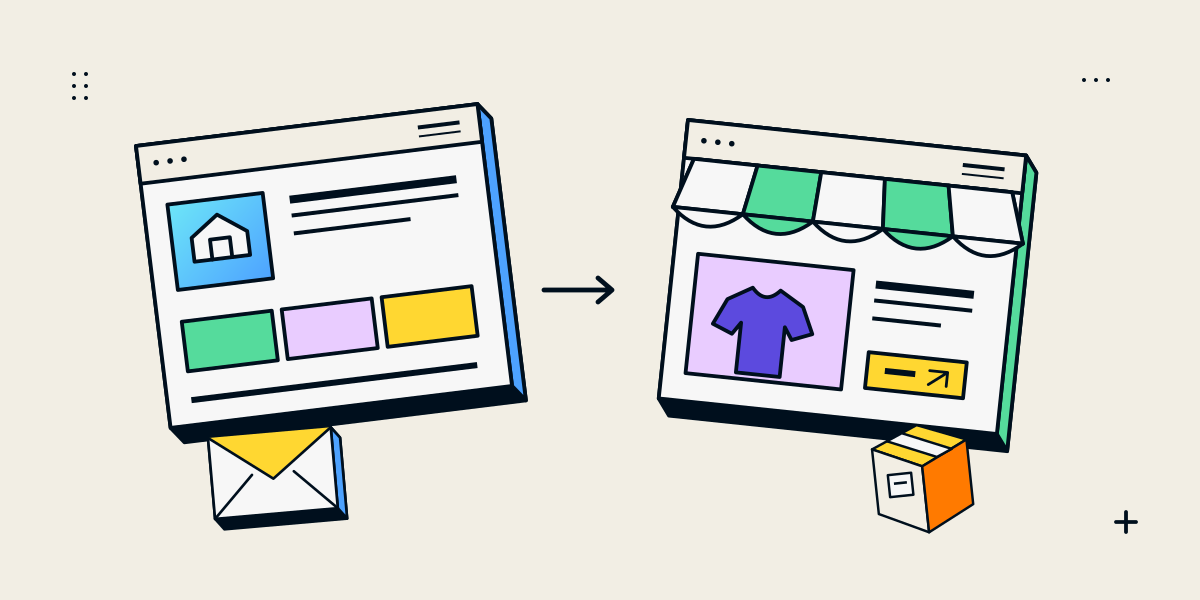
A business website explains the offer; ecommerce supports an order
A business website helps visitors understand the company, its services and how to make an enquiry. An ecommerce website adds a product discovery and order process, which may include a catalogue, cart, checkout or product enquiries. A site can include both kinds of work; the decision is whether customers need a self-service purchase journey and the business is ready to operate it.
| Question | Business website | Ecommerce website |
|---|---|---|
| What is the main visitor task? | Understand a service, compare evidence or contact the company | Browse products, choose options and place an order or request a quote |
| What must staff maintain? | Service information, project proof and enquiry handling | Product data, prices, availability, orders and fulfilment information |
| What does the site connect to? | Contact forms, CRM or other agreed tools | Commerce administration, payments, shipping, inventory and order tools as needed |
| How does a lead or order arrive? | As an enquiry or scheduled discussion | As a cart, checkout, order or product-specific request |
The business category does not decide the answer. A service company may sell standard parts online. A manufacturer may need a detailed product catalogue but quote every order. A professional firm may use a business website with a booking or payment step for one service.
A business website may be enough when sales begin with a conversation
If every project is scoped to a customer’s situation, a clear service website may be the right first build. It can explain who the offer suits, how the work proceeds, what information a prospect should prepare and how to get in touch.
- The offer is primarily a service, consultation or custom project.
- Prices depend on requirements that are not known before a discussion.
- Prospects need company information and relevant project evidence before contacting the team.
- Staff need to qualify and scope each request before making a proposal.
- There is no need for online product selection, payment or order management yet.
A business website can still display a product catalogue or downloadable information. The key question is whether the website must support purchase and order operations, not whether the business has products at all.
Ecommerce makes sense when the product and order rules can be made clear
A store is useful when customers can identify the product they need and complete a predictable order process. The business should be able to maintain the information that checkout depends on: prices, variants, quantities, availability, delivery rules, payment choices and post-order responsibilities.
- Products have defined options and identifiers that can be kept accurate.
- Customers can understand the price and any delivery or order limits before checkout.
- The business has a reliable process for stock, production, dispatch or fulfilment.
- Payments, shipping and tax requirements have been checked for the chosen tools.
- Staff can respond to refunds, changes, failed payments and customer questions.
If some products need a quote and others are ready for checkout, a hybrid catalogue can work. Our guide to enquiry-led catalogues versus online stores explains how to separate those routes without making buyers guess what happens next.
A hybrid website can connect service information and product sales
Many businesses do not need to choose between a company website and an online store as separate destinations. A single site can explain the business, present its services and sell a defined product range. It can also direct custom or bulk requests to a quote process while standard products go through checkout.
| Business need | Possible website route |
|---|---|
| Service firm selling a fixed-price add-on | Service page plus a clear product or booking purchase step |
| Manufacturer with standard and configured products | Public catalogue with checkout for standard items and quote requests for configured orders |
| Consultant selling a paid workshop | Business website with an event page and an appropriate registration or payment flow |
| Distributor serving repeat buyers | Product discovery with account or enquiry steps based on actual buyer requirements |
A hybrid plan needs clear ownership of each route. A button labelled “Buy” should lead to a real purchase flow; a button labelled “Request a quote” should carry useful product context and reach a monitored team.
Include the operations behind the website in the decision
Before adding commerce, identify who maintains product information, approves prices, checks orders and handles exceptions. If an order depends on inventory or delivery data from another system, map that connection. If the team cannot keep the information current, a sophisticated checkout can create customer expectations the business cannot meet.
- Choose who owns product records and edits.
- Identify the system that sets the authoritative price, stock or lead time.
- Document order review, fulfilment, cancellation and refund responsibilities.
- Estimate the recurring cost of platform plans, apps, payment providers and support.
- Test the complete journey using realistic products and staff tasks.
If the main question is which platform can support your workflow, read Shopify versus custom ecommerce for Indian brands. Platform choice follows the customer and operating requirements; it should not lead them.
Choose the smallest complete scope that supports the next step
- List the customer groups and the questions they need answered.
- Describe the products or services and which details are fixed or negotiated.
- Map what a customer does from the first page through purchase or enquiry.
- List the tools and people that must receive or maintain the resulting information.
- Choose the website type and the features needed for that journey.
- Separate launch requirements from features that can wait until real usage shows a need.
A business website can grow into ecommerce, and a store can add service and company information. Plan URLs and content so that a later phase can extend the site without discarding useful pages or confusing current customers.
Questions about business websites and ecommerce websites
Can a business website accept payments?
Yes, if the business has a defined payment or booking task. A website does not need a full product catalogue to support one appropriate paid service or registration.
Do I need ecommerce if customers already order by WhatsApp?
Not necessarily. First identify the order volume, product information, staff workload and customer needs. A catalogue or enquiry flow may solve the current problem without adding checkout.
Can I add an online store to my existing business website?
Often, but the current platform, product data, payment and fulfilment requirements should be reviewed. Keep existing pages and URLs in the plan if they are useful to customers.
Should every product have a displayed price?
Only if the displayed price is meaningful and accurate for that product and buying context. Products with custom specifications or negotiated terms can use a clear enquiry route.
Which service should I ask a developer to quote?
Describe the customer action and staff workflow first. Then ask the provider to recommend and explain a scope rather than quoting a label without requirements.