
Website Strategy
Freelancer, Boutique Studio or Agency: Who Should Build Your Website?
Compare a freelancer, boutique studio and agency by project fit, communication, capacity, ownership and the people who will actually deliver your website.
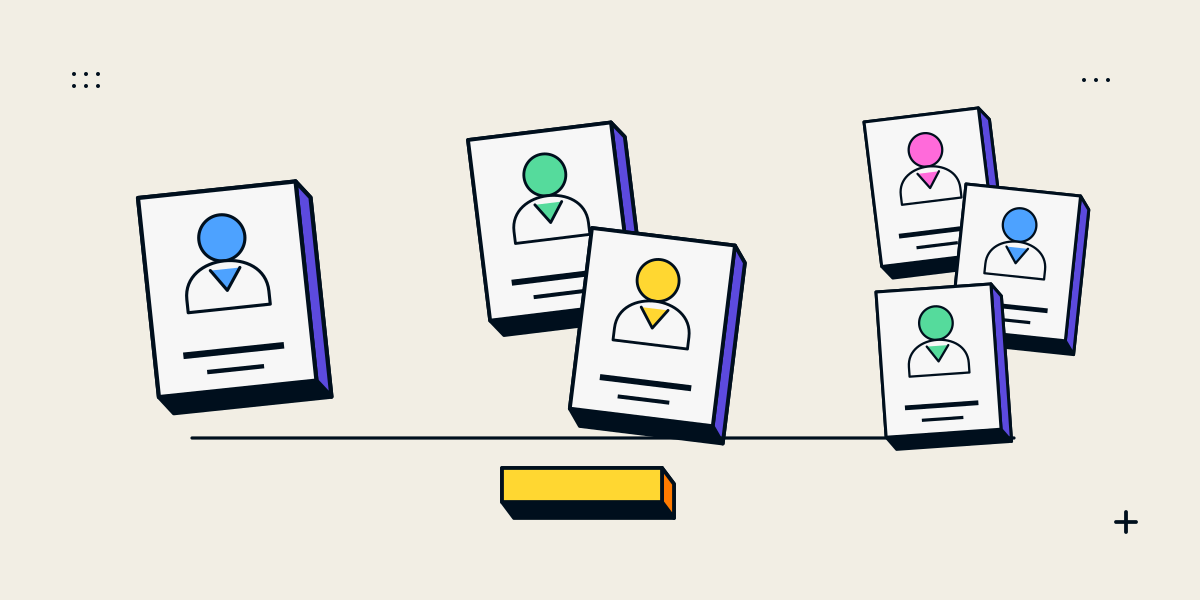
Choose the delivery model that fits the work
A freelancer, boutique studio and agency can all build a good website. The label does not tell you who will do the work, how many projects they can handle or whether they have the specific skills your project needs. Compare the proposed people, responsibilities, communication and handover against the scope.
| Option | Can suit a project when… | Questions to ask |
|---|---|---|
| Freelancer | The work has a clear scope and one person has the relevant skills and capacity | Who covers design, development, testing and support if one person owns several roles? |
| Boutique studio | You want a principal-led process with direct discussion and a focused scope | Who will lead the project, what work is done directly and when are collaborators involved? |
| Agency | The project needs several defined specialties, larger capacity or established governance | Which team members are assigned, how is work coordinated and who approves changes? |
These are starting questions, not fixed rules. Some freelancers collaborate with specialists; some agencies have a small dedicated team. Ask each provider to describe the actual delivery model for your project.
A freelancer may be a strong fit for focused work
Working with one independent professional can make communication direct and keep the scope simple. It can fit a small site, a defined improvement or specialist work when that person has the right experience and time.
- Confirm which skills the person will personally provide.
- Ask how they handle work outside their specialty.
- Agree backup, availability and support expectations in writing.
- Keep account ownership, source files and access under your control.
- Check whether the proposed schedule leaves enough time for review and testing.
A single-person delivery model can also concentrate risk. If the person is unavailable, unclear about scope or overcommitted, there may be no one else ready to take over. Ask how project continuity will work.
A boutique studio can pair direct leadership with a clear project scope
A boutique studio often gives the client direct access to a principal or lead while keeping the work focused on a defined project. That can suit a small or medium business that wants joined-up design and development decisions without a large account structure.
Peak Web Craft describes itself as a boutique studio in Ahmedabad led by Nisarg Patel, its founder and lead developer. The About page says his role spans website structure, interface design and development. For any studio, ask who will do each specialist task, whether a collaborator is involved, who checks the work and how those responsibilities appear in the proposal.
The word “studio” should not be used to imply a large in-house team or a permanent partner network unless the provider clearly describes one. Ask for named roles and a delivery plan that reflects the project you are discussing.
An agency may help when the project has several coordinated workstreams
A larger agency may be appropriate when the project needs several specialists, multiple markets, complex integrations or formal approval processes. A larger structure can also mean more handoffs and people to coordinate. Find out who is assigned to the work rather than judging capacity from the company’s size alone.
- Meet the people who will make the important design and technical decisions.
- Ask whether the proposal includes the team shown in the pitch.
- Understand how account management, design, development and QA communicate.
- Check what happens if the named lead changes during delivery.
- Identify ongoing fees, minimum engagement terms and change-control rules.
A strong proposal should explain how these roles work together and what the client must provide. If those details remain vague, ask for clarification before comparing totals.
Compare proposals on evidence, deliverables and ownership
| Area | What to clarify |
|---|---|
| Relevant work | Which examples are similar in audience, content or functionality, and what was the provider’s contribution? |
| Scope | Which pages, templates, features, content and integrations are included? |
| People | Who leads, designs, develops, tests and supports the work? |
| Process | How are reviews, feedback, revisions and approvals handled? |
| Commercials | What are the price, payment milestones, assumptions, exclusions and change terms? |
| Ownership | Who controls the domain, hosting, accounts, source files and licences at handover? |
| After launch | What defect support is included, and what requires a separate agreement? |
Ask for examples that show the provider’s role, not only a polished homepage. A case study should help you understand the problem, the implementation and what the business needed to manage afterward. Claims about traffic or revenue should include a clear source and measurement period.
Watch for commitments that do not match the available evidence
- The provider promises a result such as a guaranteed search position or fixed conversion lift.
- The proposal names features without checking the platform, content or third-party systems involved.
- No one can explain who controls the domain, subscriptions or working accounts.
- A quote cannot be compared because deliverables and exclusions are missing.
- There is no acceptance process, test plan or clear route for resolving changes.
A high or low price does not automatically establish quality. Compare the work, risks, expertise and responsibility attached to the total. For a practical request template, use the website development brief checklist.
Questions about choosing a website provider
Is a freelancer cheaper than an agency?
Not always. Total cost depends on scope, experience, delivery approach and ongoing needs. Compare the same deliverables, assumptions, team and support before drawing a price conclusion.
Should I choose a local web design studio?
Local work can make meetings convenient, but location alone does not prove fit. Review relevant work, communication, scope and the ability to collaborate remotely if needed.
Can one person handle design and development?
Sometimes. Ask about the person’s relevant experience and how they review usability, accessibility, responsive behaviour and technical quality across the project.
Who owns my website after launch?
The agreement should state account ownership, source files, third-party licences, access and handover. Keep the business in control of its domain and billing accounts.
How do I know who will actually build the site?
Ask for named roles, responsibilities and the review process in the proposal. If collaborators may be used, clarify their work and who remains accountable.