
SEO & Local Search
Local SEO for Ahmedabad and Gujarat Businesses: Google Business Profile and Consistent Business Information
Improve local SEO in Ahmedabad and Gujarat with accurate Google Business Profile details, useful service pages and a practical measurement plan.
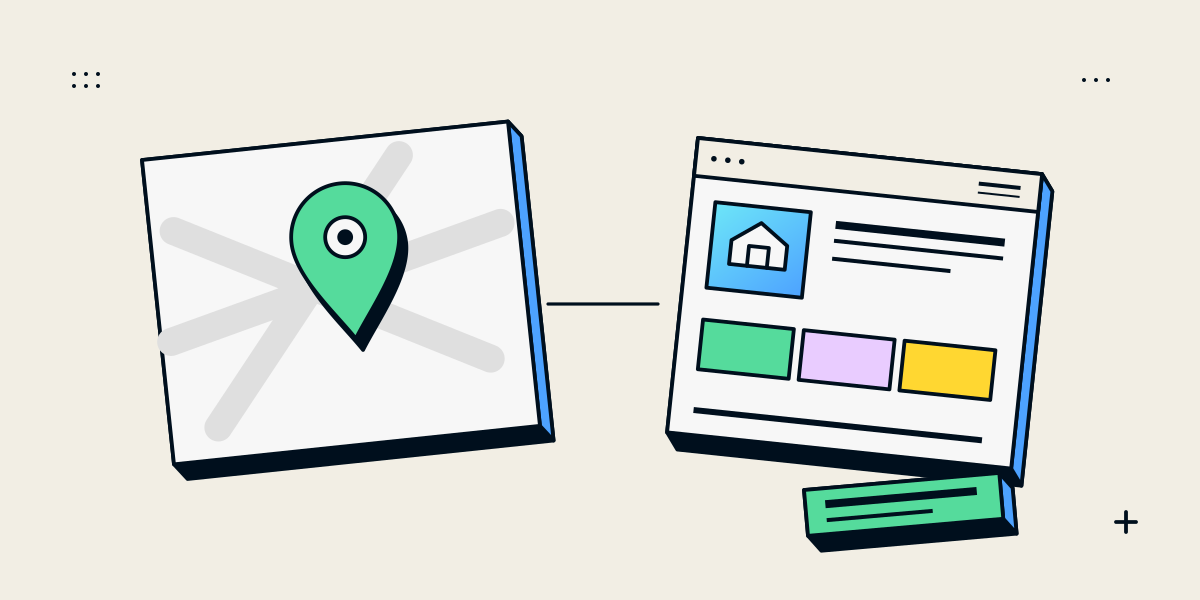
Local SEO connects a real business to nearby search needs
Local SEO helps people understand what a business offers, where it operates and how to contact it. For an Ahmedabad company serving clients across Gujarat, the work may include an accurate Google Business Profile, clear service pages, consistent contact details and useful evidence of the areas the business can genuinely serve.
Google says local results are mainly shaped by relevance, distance and prominence. A business can improve the accuracy and usefulness of its information, but it cannot control where every searcher is or pay Google for a better organic local ranking. Read Google’s local ranking guidance before spending money on a promise of guaranteed map positions.
The goal is to help a suitable customer find accurate information and choose a useful next step. A single checklist cannot put every business in the same position: eligibility, location, service area, competition and the quality of the website all matter.
Make the Business Profile accurate and eligible
Start by confirming that the business is eligible for a profile. Google’s rules cover businesses with a location customers can visit and businesses that travel to customers. Use the actual operating location and service arrangement; a virtual office or an address used only for mail is not a substitute for a real business location.
- Use the business name customers see in the real world; do not append service keywords or a city name as a ranking trick.
- Choose the fewest accurate categories that describe the core business.
- Set a precise address or service area that reflects how the business operates.
- Use one profile for each eligible real location, rather than duplicating a profile for every nearby city.
- Keep hours, phone number, website and service information current.
Google’s Business Profile representation guidelines explain name, address, category and service-area requirements. If a business travels to customers and does not receive them at its address, follow the service-area rules and hide the address where required.
Fill out the profile with useful customer information
A profile should answer the practical questions someone has before calling or visiting. Write a plain description of the work, add accurate services and hours, choose suitable photos and keep contact routes current. Do not copy a list of search terms into the description or promise service in an area the team cannot support.
Ask customers for honest feedback after a real interaction and respond professionally. Do not offer incentives for a review or pressure a customer to change one. Reviews are one part of a business’s public reputation; they do not replace clear service details or a reliable response process.
Treat the profile as one public source of business information. Google may combine owner-provided information with other sources, so correct factual issues where they appear and keep the official website clear about the business name, services and contact details.
Give the website a useful page for each real service
A business website can answer questions a profile cannot cover in depth. Create a focused page for an important service, explain who it is for and show what the work involves. Include contact details and a relevant next step. If a genuine office or service area matters, describe it accurately and explain how customers are served there.
- Use a page title and heading that describe the service in plain language.
- Add local proof the business can substantiate, such as a real project, team presence or practical service coverage.
- Link the page to related services and case studies so visitors can continue their research.
- Avoid copying one city page and swapping only the city name; each page should help the people it is meant to serve.
- Make phone, email and enquiry actions usable on mobile.
Keep the business name, phone number, address or service area and hours consistent wherever the business publishes them. This is a matter of accurate customer information and operational hygiene; do not present a citation-count or directory-listing package as a guaranteed ranking factor.
Build genuine prominence over time
Prominence reflects how well-known a business is, and Google notes that information such as links and reviews can contribute. A practical plan is to deliver work customers can describe, ask for honest feedback without incentives, respond to questions and publish useful material that others may choose to reference. No single activity guarantees a position.
For an Ahmedabad service business, show the work and expertise that are relevant to the buyer: clear service pages, real project examples, useful answers and an easy way to speak to the team. A directory listing that repeats a phone number adds less value if the underlying business details are inaccurate or the service itself is unclear.
Measure visibility and enquiries separately
Search Console can show which pages and queries earn search impressions and clicks. Analytics or a CRM can help record what a visitor does after landing. Google Business Profile has its own performance reporting. Keep these views distinct: a map interaction, a website click and a qualified enquiry are different outcomes.
- Record which profile or service page a visitor used when the lead arrives.
- Track phone, form and messaging actions only in ways your tools and consent setup support.
- Review search queries and landing pages for mismatches between the search and the offer.
- Compare like periods and note site, profile or campaign changes before drawing conclusions.
- Ask staff whether reported leads are relevant and reach the right person.
Avoid judging local SEO only by a screenshot of one search result. Results vary with the search, location and context. Use repeatable data and customer enquiries to guide what you improve next.
A practical local SEO checklist for Ahmedabad and Gujarat
- Confirm Business Profile eligibility, ownership and location or service-area settings.
- Correct the business name, categories, hours, contact details and services.
- Review the main service pages for clarity, local relevance, mobile use and working contact routes.
- Remove duplicate or misleading location information and update legitimate listings you control.
- Set up a simple record of profile actions, website enquiries and qualified leads.
- Review the data regularly and choose the next improvement based on a specific problem.
If the website itself is receiving visits but the enquiry path is unclear, see ten checks for a business website that is not generating enquiries. For broader technical and content work, our SEO services page explains how we scope an audit and ongoing work.
Questions about local SEO in Ahmedabad
Can I create a separate Google profile for every city I serve?
No. Profiles should represent eligible real business locations. A service-area business should follow Google’s rules for its central location and service area rather than creating a profile for each city without a real staffed location.
Should I add “Ahmedabad” to my Google Business Profile name?
Only if it is genuinely part of the business name as used in the real world. Put location and service details in their correct profile fields and on relevant website pages.
Can an SEO agency guarantee a top Google Maps position?
No one can control every local result, and Google says a business cannot request or pay for a better local ranking. Ask an agency to explain the work, evidence and reporting it can provide instead.
Does local SEO matter if I serve customers across Gujarat?
It can. Be precise about the location or service area, create useful pages for the services you actually provide and avoid implying that the business has offices where it does not.